Your Rights and Options for Mold Removal for Renters
If you are renting an apartment or house in Boston, mold is one of those problems that can sneak up on you. I have seen it in closets, behind furniture, and along baseboards in older buildings. The damp climate here makes it a constant possibility. When you spot that first patch of black or green growth, your mind jumps to health and to your lease. You may wonder if you can clean it yourself, whether your landlord is responsible, or what happens if the problem is ignored. The truth is that mold removal for renters sits at an intersection of tenant rights, practical cleaning, and knowing when to call a professional.
I have helped friends and clients navigate this situation for years. The first thing to understand is that you are not powerless. The second is that not all mold is the same, and not all cleaning methods work. Let me walk through what I have learned about handling mold in a rental, from the legal side to the practical steps you can take today.
Understanding Landlord Liability and Tenant Rights
Massachusetts law is fairly clear on this. A landlord must provide a unit that is fit for human habitation. That includes keeping the property free from conditions that could harm your health or safety. Mold falls into that category when it results from a leak, poor ventilation, or structural moisture problems. The Boston Public Health Commission has specific guidelines on indoor mold, and they treat it as a potential health hazard. If the mold is caused by something like a leaking pipe in the wall, a roof leak, or a damp crawl space that the landlord controls, they are typically responsible for fixing the source and for professional remediation.
I have seen tenants hesitate to report mold because they worry about retaliation or being blamed. But your lease agreement cannot waive your right to a safe home. If you notify your landlord in writing about a mold problem and they do not act, you may have legal options. Those can include withholding rent, breaking the lease without penalty, or taking the landlord to housing court. I always recommend documenting everything. Take photos, keep copies of your written requests, and note any verbal conversations. That paper trail matters if you need to prove that the landlord was aware and failed to respond.
It is also worth knowing that OSHA sets standards for mold exposure in workplaces, and those standards indirectly inform what is considered hazardous in a home. While OSHA does not regulate residential rentals, its guidelines on acceptable mold levels and protective equipment give you a benchmark. If a mold problem is extensive, your landlord may need to hire a mold removal company with proper mold remediation certification. A remediation certification means the company follows industry standards for containment, removal, and prevention. That is not something you can DIY when the problem is large.
When You Can Handle It Yourself
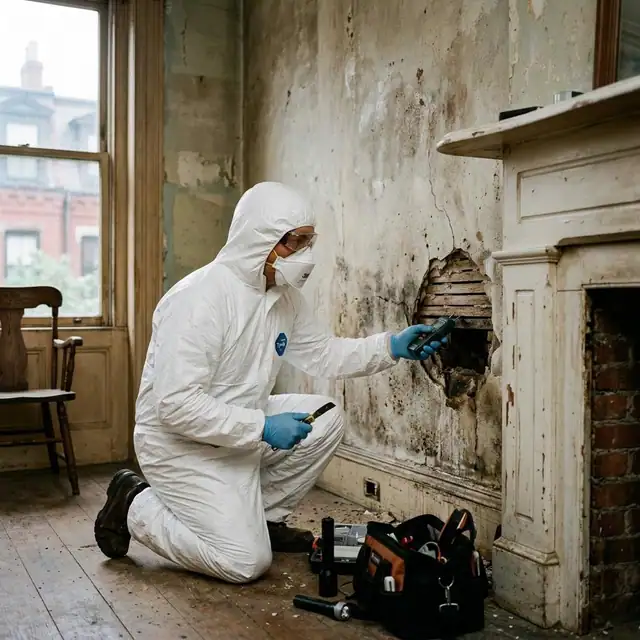
Not every patch of mold requires a professional crew. If the affected area is small, say less than about ten square feet, and the source of moisture is already fixed, you can often clean it yourself. But you need to do it safely. The EPA recommends that you do not use bleach on porous surfaces like drywall or wood. Bleach is effective on hard, non-porous surfaces like tile or glass, but on drywall it only kills surface mold and leaves the roots alive. I have made that mistake myself. Within weeks the mold came back darker than before.
A better approach for porous surfaces is a mild detergent and water, or a commercial product like Concrobium. Concrobium works by creating a barrier that prevents regrowth. I have also used white vinegar for small patches on hard surfaces. Straight white vinegar, applied with a spray bottle and left for an hour, can kill many types of mold. Borax is another option. Mix one cup of Borax per gallon of hot water, scrub the area, and do not rinse completely. The residue helps inhibit future growth. For really stubborn spots, Microban is a good choice. It adds an antimicrobial layer that lasts longer than vinegar or Borax alone.
Before you start scrubbing, protect yourself. At a minimum, wear an N95 respirator. A dust mask will not stop mold spores. I also recommend gloves and eye protection. If the mold is disturbed without containment, spores become airborne and can spread to other rooms. Seal off the area with plastic sheeting if possible. Use a HEPA vacuum to clean up after scrubbing. A regular vacuum will blow spores back into the air. A HEPA vacuum captures them. You can buy a small HEPA vac for under a hundred dollars, or you can rent one from a local hardware store.
One thing I caution people about is mold test kits. They are sold at hardware stores and online. I have used them, and they can tell you whether mold is present, but they rarely tell you the species or the concentration in a way that is actionable. If you already see mold, you do not need a test to confirm it. Save your money and put it toward cleaning supplies or a professional assessment if the problem is large.
The Role of Moisture Control
Mold needs moisture to grow. If you remove the mold but do not fix the moisture, you will be cleaning the same spot every few months. The most common sources in rentals are leaky pipes, poor bathroom ventilation, and high indoor humidity. A dehumidifier can make a huge difference. I tell renters to run a dehumidifier in the basement or in any room that feels damp. Keep the indoor humidity below 50 percent, and mold will struggle to get a foothold.
In bathrooms, make sure the exhaust fan works. If the fan is weak or broken, that is something your landlord should fix. I have seen tenants prop open a bathroom window instead, but that only works in mild weather. In winter, the cold air can cause condensation on walls, which actually feeds mold. A better solution is to wipe down wet surfaces after a shower and leave the fan running for at least twenty minutes.
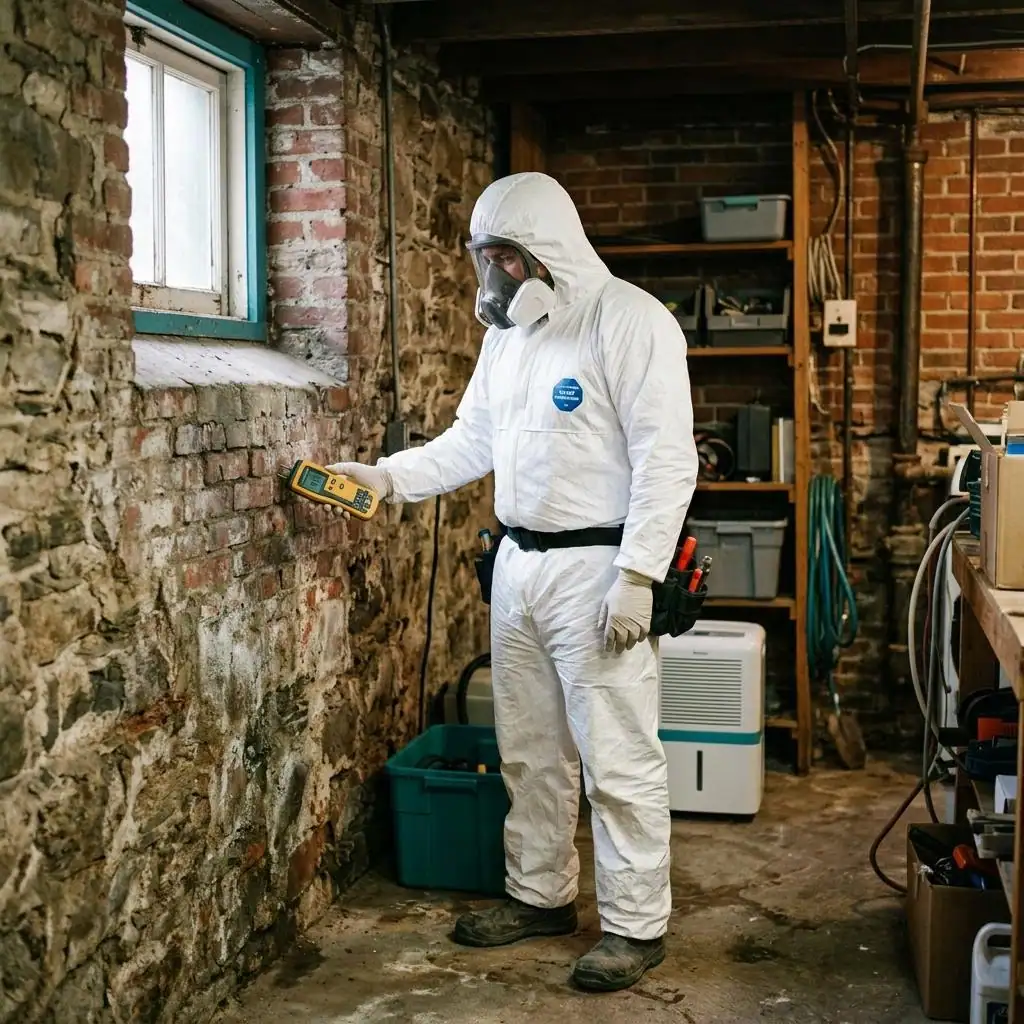
If the mold is coming from a crawl space or an HVAC system, that is a sign of a bigger problem. Crawl spaces often have dirt floors and poor ventilation. Moisture from the ground can wick up into the floor joists and support mold growth that spreads into your living space. An HVAC system can distribute mold spores throughout the entire building if the coils or drip pans are contaminated. These issues require professional attention. Your landlord should hire a mold removal company that understands how to remediate in those hidden areas.
What to Do If the Problem Is Large
When mold covers more than a small patch, or when it keeps coming back despite your cleaning, it is time to escalate. I have seen tenants try to handle a large outbreak themselves and end up making it worse. They spread spores through the apartment, or they scrub a spot that turns out to be toxic black mold. Stachybotrys chartarum, commonly called black mold, produces mycotoxins that can cause respiratory problems. It is not something you want to disturb without proper containment.
Your first step is to send a written notice to your landlord. Be specific. Describe where the mold is, how large the area is, and how long it has been there. Mention any health symptoms you or your household have experienced, like coughing, headaches, or allergic reactions. Give the landlord a reasonable deadline to respond, usually ten to fourteen days. If they do not act, contact the Boston Public Health Commission. They can inspect the unit and issue an order to the landlord. If the landlord still refuses, you may need to consult a tenant rights attorney. Many legal aid organizations in Boston offer free or low-cost advice for renters.
I have also seen situations where the landlord agrees to remediation but hires someone who does not have proper training. Mold remediation is not just about spraying bleach. It involves containment, HEPA vacuuming, removal of contaminated materials, and often the use of mold-resistant paint after the surface is treated. Mold-resistant paint contains antimicrobial agents that discourage regrowth. It is a good finish to ask for after a professional cleanup. If the landlord hires a handyman who just paints over the mold, that is not a fix. The mold will grow through the paint within months. A reputable mold removal company will follow standards set by the EPA and by industry bodies like the Institute of Inspection, Cleaning and Restoration Certification (IICRC). If your landlord is using a company, ask for proof of certification.
I recall one case in a South Boston apartment where the tenant had mold behind a wall that was connected to a slow leak from the unit above. The landlord tried to dry it out with fans and paint over it. The tenant pushed back, got the Boston Public Health Commission involved, and eventually the landlord had to tear out the drywall, treat the studs with Concrobium, and install a new vapor barrier. It was a big job, but it was the only way to solve the problem permanently. That tenant used their knowledge of mold removal for renters to advocate for a real solution, not just a cosmetic one.
Prevention Strategies You Can Use
Even after a professional cleanup, you can take steps to keep mold from returning. A dehumidifier is your best friend in a damp climate. I run one in my own bedroom during the humid months. Empty the tank regularly or set it up to drain into a sink. Also, check your windows for condensation. In winter, single-pane windows can collect a lot of moisture. Wipe them down each morning. If the window sills are painted with mold-resistant paint, that helps a lot.
Keep furniture away from exterior walls. I have seen mold grow on the back of a sofa that was pushed against a cold wall. Air needs to circulate. If you have a closet on an exterior wall, leave the door slightly open or install a louvered door. Closets are common spots for mold because they are dark and still.
If you are in a basement unit, consider asking your landlord to seal the floor and walls with a waterproof coating. That is a big ask, but it can be part of a broader conversation about moisture control. Some landlords will agree to it if you frame it as protecting their property from long-term damage. Mold breaks down building materials over time. It is in their financial interest to prevent it.
I also tell renters to keep an eye on the HVAC system. If you have a forced-air system, change the filter regularly. A dirty filter can trap moisture and become a breeding ground for mold. Some filters come with Microban treatment, which adds an extra layer of protection. If the system has a humidifier, clean it according to the manufacturer's instructions. Stagnant water in a humidifier can release mold spores into the air.
Final Thoughts on Mold Removal for Renters
Living with mold is not something you have to accept just because you rent. You have rights, and you have practical options. The key is to act early, document everything, and know when to clean it yourself and when to demand professional help. Mold removal for renters is not a one-size-fits-all process. It depends on the cause, the extent, and the cooperation of your landlord. But with the right information, you can protect your health and your home. I have seen tenants successfully navigate this process and end up with a healthier living environment. You can too.